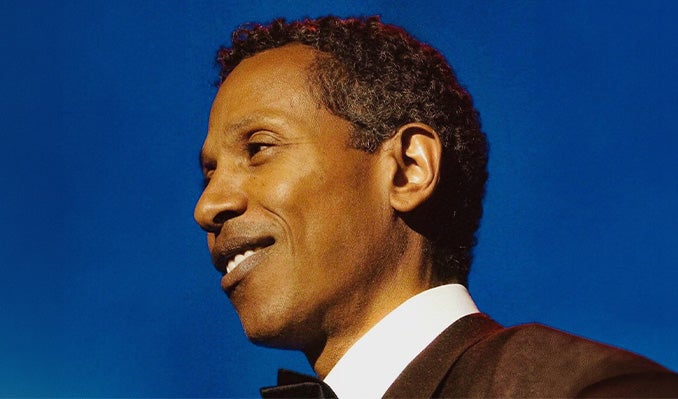






José María Napoleón
-
DateSunday May 24, 2026 8:00 PM
-
On SaleFebruary 4 at 10:00 AM
José María Napoleón, an acclaimed singer, songwriter, and occasional actor, is celebrated in Mexico and throughout Latin America. A pivotal figure in the influential balada movement of the 1970s, his unique musical style combines intricate orchestral arrangements with traditional elements from mariachi, rancheras, and boleros, all intertwined with rich melodies. This signature sound was evident in "El Grillo," the lead single from his debut album, which featured graceful strings, a waltz tempo, and vibrant folk-rock influences that captivated radio audiences. His creative vision and commitment to innovation reached new heights with the 1980 hit "Celos," his most famous song, and continued to evolve into the 21st century with singles like "Ven Dame Beso," "Amiga Mia," and "Muchacha de Octubre." Napoleón stands among a distinguished group of songwriters alongside legends such as Juan Gabriel, Marco Antonio Solís, and José José. Born in 1950 in Aguascalientes to parents of Sephardic and Basque descent, Napoleón's mother nurtured his early passion for music, teaching him to sing and write. At just nine years old, he composed "Esta Tarde" for his church choir. However, financial hardships prevented him from pursuing formal musical training, leading him to work various jobs as a mechanic, baker, carpenter, and pharmacy clerk while he honed his songwriting skills. Napoleón eventually relocated to Mexico City to follow his dream of becoming a songwriter. His powerful tenor voice impressed record executives, and at 20, he launched his career with "El Grillo" and his self-titled debut album (later renamed El Poeta de la Canción). The success of his debut and his magnetic stage presence allowed him to release a remarkable series of albums between 1970 and 1982, totaling a dozen, including Pajarillo and Hombre (both 1977), Sin Tu Amor (1979), and María Susana (1982). During this time, he wrote several hit songs, including "Pajarillo," "Hombre," "Eres," "Leña Verde," and "Celos," and his talents were sought after by renowned artists like Pepe Aguilar, Plácido Domingo, Vicente Fernández, and Pedro Fernández. In addition to his music career, Napoleón appeared in several telenovelas. He made his television debut as a singer on the popular show Variedades de Media Noche and later portrayed Benito in the series Al Rojo Vivo in 1980. In the late '90s, he had a recurring role in El Privilegio de Amar and appeared as himself in the TV movie Mi Verdad in 2004. After the closure of Musart, Napoleón signed with BMG's Ariola, releasing four albums, including the iconic Tiempo al Tiempo (1983) and ¡Aventurero! (1986). He later joined Fonovisa label, releasing over a dozen hit singles from 1988's Recuentro to 1997's Lo Que el Tiempo Se Llevó. Following his work with IM Discos on the album Hoy in 2000, he recorded five albums, including the successful Las Canciones de Mi Vida in 2003, and continued to work with various labels, such as Continental for 2010's Necio Corazón and Sony Music Latin for 2012's Blanco y Negro. His albums Serie Max (2005) and Vive (2016) both reached the Top 10 on the Latin Pop albums chart, with Vive also topping the charts in Mexico. In 2018, a collection titled El Poeta de la Canción: 20 Éxitos was released alongside a remastered catalog and a new studio recording, featuring six pre-release singles, three of which charted. In August, the Latin Recording Academy honored Napoleón with a lifetime achievement award.
Showtimes
NEVER MISS A BEAT. SIGN UP FOR OUR NEWSLETTER.
Atmosphere
with Sage Francis, R.A. the Rugged Man, Kool Keith & DJ Mr. Dibbs
Lauren Spencer Smith
with Henry Moodie & Maisy Kay
Stay in Touch
Love live music as much as we do?
Sign up for exclusive updates, offers, and events to be the first to know all things ACL Live!